

The Convenio Especial allows both EU and non-EU residents in Spain to access the public healthcare system when they aren’t otherwise eligible, for example, if they’re not employed, self-employed, or covered through an S1 form or other social security agreement. A common example would be a US citizen on a Non-Lucrative Visa (NLV). This article is a comprehensive guide on how the Convenio Especial program works, eligibility requirements, regional variations, and more.
Note: If you’re on an NLV and using the Convenio Especial, you’re likely a tax resident drawing passive retirement income. Make sure you also understand how Spain taxes your pension and Social Security income, as healthcare access and income taxation typically apply together for this group.
What is the Convenio Especial Spain?
The Convenio Especial is a voluntary healthcare program that allows individuals to access Spain’s public healthcare system for a monthly fee. It is ideal for Expats who are not employed in Spain and, therefore, not contributing to the Social Security system, which is the standard route for residents to access public healthcare.
The program provides access to most medical services offered through the Spanish healthcare system, although some limitations exist regarding specific treatments and prescriptions.
Remote workers employed by a UK company may or may not need the Convenio Especial, depending on how their social security is structured. See our guide to working remotely in Spain for a UK company to understand which setup applies to your situation before exploring this option.
READ ALSO: Health Insurance in Spain >> The Complete Guide for International Movers
Eligibility for the Convenio Especial
To apply for the Convenio Especial, Expats (such as U.S. nationals) must meet the following criteria:
Residency Requirement
- You must have been a legal resident in Spain for at least 12 months.
- Non-Spanish citizens (including UK and U.S. citizens) can apply after completing one full year of residency.
- Student visa holders are also eligible to apply after completing one year of residency in Spain. However, since they are required to have private health insurance for visa approval, most students rely on private insurance during the first year. The Convenio Especial can become a viable option for students planning to stay in Spain for extended periods, especially if they transition to another visa type or intend to stay long-term after completing their studies.
- Temporary residents, such as tourists or people on short-term visas, are not eligible.
“Have been registered in any Spanish municipality for a continuous period of at least one year immediately prior to the date of application.” – Spanish Ministry of Health
Note: In some cases, periods of residence in other EU/EEA countries, Switzerland, or the United Kingdom can count toward this one-year requirement.
Regional Varieties to the Convenio Especial Residency Requirement
Each Autonomous Community manages its own Convenio Especial applications, and some apply slightly different residence requirements. Always confirm the rules with your regional health authority. See our ranked index of the best places to retire in Spain for a data-driven comparison that includes healthcare access across 38 towns and cities.
Non-Working Individuals
- The program is designed for individuals who are not employed or self-employed in Spain. Those who work typically contribute to the Social Security system and automatically gain access to public healthcare.
- If you are employed or self-employed and paying into Social Security, you do not need the Convenio Especial, as you already have public healthcare coverage.
Pre-existing Conditions
- One of the benefits of the Convenio Especial in Spain is that it does not exclude pre-existing conditions, meaning you’ll receive medical care regardless of any ongoing health issues.
Each Individual Must Apply Separately
- The Convenio Especial does not provide coverage for dependents. Everyone, including spouses and children, must apply and pay the monthly fee separately.
If you cannot access the convenio especial yet, or it does not work for your situation, private insurance is what most new residents choose.
Convenio not open to you? Compare private cover
If the convenio especial is not open to you yet, or does not fit your situation, private cover is how most new residents meet the requirement.
What the Convenio Especial Covers
The Convenio Especial provides access to the full range of services offered by Spain’s public healthcare system. These include:
- Primary care (general practitioners).
- Specialist consultations (dermatologists, cardiologists, etc.).
- Hospital care and surgeries.
- Emergency services.
However, there are some key limitations:
- Prescriptions are not covered, so you must pay out-of-pocket for any medications.
- Dental care is not included; you will need private insurance or pay privately for these services.
- Prosthetics and other specialized medical devices may not be fully covered.
Many private health insurance policies in Spain will cover all these exclusions.
“The coverage is almost complete, except for some medicines and medical tests that must be paid for separately.”
Raquel Moreno – Immigration Lawyer
Cost of the Convenio Especial
Using our tool, you can explore the cost of private health insurance in Spain. For someone in their late sixties the convenio is not far off the cost of private cover: EUR 157 a month is about EUR 1,884 a year, against roughly EUR 1,668 to EUR 2,544 for comprehensive no-copayment private cover at 65 to 69. The gap widens sharply with age, because the convenio fee does not rise after 65 and private premiums do. If you are in your late seventies the convenio is considerably cheaper, once you can get it. The monthly fee for the Convenio Especial depends on your age:
- Under 65: Approximately €60 per month.
- 65 and older: Approximately €157 per month.
The fee is fixed and not income-based. It grants access to the same healthcare services as the Spanish public system, though prescriptions are paid separately.
This fee gives you access to most of the public healthcare services, but as noted above, prescription medications and some specialized services must be paid for separately.
When considering healthcare options in Spain, it’s essential to understand the tax implications of both the Convenio Especial and private health insurance. Payments made toward the Convenio Especial are not tax-deductible in Spain and do not contribute to your Social Security benefits, meaning they won’t affect future pension or unemployment claims. This tax status is an important distinction when comparing options like private health insurance for over-75s.
However, if you are a U.S. citizen, you might be able to claim healthcare costs, including private insurance premiums, as part of your foreign earned income exclusion or medical expense deductions on your U.S. tax return, provided they meet IRS criteria. For UK citizens, tax implications will depend on individual circumstances, especially for those who remain UK tax residents. These tax details are especially vital for remote UK workers.
It’s advisable to consult with a tax advisor familiar with both countries’ laws to ensure compliance and optimize potential deductions.
How much tax will you actually pay in Spain?
The answer is very specific to your situation – your income mix, investments, which Spanish region you choose, and the structures available to you. Get clarity from our vetted tax specialists who work with expats like you every day.
How to Apply for the Convenio Especial
To apply for the Convenio Especial, follow these steps:
- Wait until you have lived in Spain for 12 months under your Digital Nomad Visa, Non-Lucrative Visa, student visa, or another valid residency permit.
- Gather the necessary documents:
- Passport and NIE or TIE Card (foreigner’s identification number).
- Proof of residency (such as your padrón registration, showing that you are registered with the local city hall).
- Evidence of income or financial means (this may vary by region).
- To apply, visit the local Social Security office (INSS – Instituto Nacional de la Seguridad Social).
- Pay the monthly fee, which grants you access to public healthcare services. After enrolling, you will have access to Spain’s public healthcare system.
IMPORTANT: You cannot start the application until the twelve months of residence are complete, and the resolution then takes weeks or longer, depending on the region. Budget for private cover running past your first year, not up to it.
READ ALSO: Private Health Insurance For Residency and Visas in Spain
Restrictions of the Convenio Especial
While the program offers broad access to healthcare, there are some restrictions to be aware of:
- No contribution to social security benefits: The payments made through the Convenio Especial do not count toward your social security contributions in Spain. This means they do not entitle you to pension or unemployment benefits.
- No automatic coverage for dependents: Each family member must apply and pay the monthly fee separately, as the program does not cover dependents.
Convenio Especial vs Private Health Insurance
There are critical differences between the care provided through Convenio Especial and what you get with private health insurance in Spain.
| Feature | Convenio Especial | Private Health Insurance |
| Eligibility | The program is available to any legal resident, EU or non-EU, who does not already have access to the public healthcare system through employment, self-employment, or national/EU social security coordination rules. | Available to anyone, including new arrivals, regardless of employment status or duration of stay |
| Cost | Under 65: €60/month 65 and older: €157/month | Roughly EUR 1,668 to EUR 2,544 a year for comprehensive no-copayment cover at ages 65 to 69. Rises with age and with any disclosed condition |
| Coverage | Public healthcare system Primary care, specialist care, surgeries, and emergency services | Wide range of services (varies by provider) Often includes dental care, vision, prescription drugs, and private hospitals |
| Prescription Medications | Not covered (must pay out-of-pocket) | Usually included, depending on the plan |
| Dental Care | Not included | Usually covered, depending on the plan and provider |
| Pre-existing Conditions | Accepted, no exclusions for pre-existing conditions | Covered, excluded, or priced up, depending on the insurer. Note that a policy that excludes your condition will not satisfy a visa application, so for residency purposes you need an insurer that covers it |
| Dependents | Each family member must apply and pay separately | Can include family members under a single policy with possible discounts |
| Waiting Period | Typically none, though some regions may impose short waiting periods | Many plans impose a waiting period for certain services (e.g., surgeries or maternity care) |
| Hospitals & Doctors | Access to public hospitals and doctors | Access to private hospitals and doctors, often with shorter wait times |
| Language Support | Services primarily in Spanish (regional languages in areas like Catalonia and the Basque Country) | Some private providers offer services in English and other languages, particularly in expat-heavy areas. Multilingual healthcare services in Spain are critical for new arrivals. |
| Flexibility | Only covers public healthcare services; no choice of doctor or hospital | Greater flexibility with doctors, hospitals, and even international coverage in some cases |
| Travel Coverage | No coverage outside Spain; limited to the public healthcare system | Often includes coverage for emergency medical care abroad, depending on the plan |
| Administrative Process | Requires an in-person application at the local Social Security office after 12 months of residency | This can be done entirely online or through an insurance broker, often immediately upon arrival in Spain. |
| Impact on Social Security | Payments do not count toward Social Security or pension benefits | No impact on Social Security contributions, but it is often considered as private healthcare only. |
| Best For | Non-working Expats looking for an affordable public healthcare option Expats with pre-existing conditions Those planning long-term stays | Expats seeking comprehensive coverage, faster service, or specific treatments Families looking for bundled coverage Frequent travelers or those who prefer English-speaking services |
If the convenio especial is not open to you yet, or does not fit your situation, private insurance is the route most new residents take.
Convenio not open to you? Compare private cover
If the convenio especial is not open to you yet, or does not fit your situation, private cover is how most new residents meet the requirement.
Prescriptions on the Convenio Especial
| Method | Physician Type | Price at Pharmacy |
| Convenio Especial | Public Doctor | 100% (Full Price) |
| Social Security | Public Doctor | 10% – 60% (Subsidized) |
| Private Insurance | Private Doctor | 100% (Unless policy reimburses) |
| No Script | N/A | 100% (Limited to OTC drugs) |
Need Spain Private Health Insurance?
We constantly monitor the market and recommend only insurers whose policies meet visa requirements for all of our clients and who are recommended by friends and the community.
one form – up to three quotes. EASY!
Regional Variations in the Convenio Especial
Spain’s healthcare system is decentralized, meaning that autonomous communities manage healthcare, which leads to regional variations in how the Convenio Especial is applied. Here’s a breakdown of these variations:
Availability
- The program is generally available across Spain, but some regions may have slightly different rules or administrative processes. For example, autonomous communities such as Catalonia, Madrid, and Andalusia may have specific variations in their application processes, such as additional paperwork or regional-specific conditions.
Application Process
- In certain regions, the documentation required or the process for applying may differ slightly. While the basic documents (passport, NIE, padrón, etc.) are typically required, some regions may ask for more evidence of income or financial means.
Waiting Periods
- Some regions may have a waiting period before the resolution is granted before coverage under the Convenio Especial starts.
“You will have to wait for the resolution to be issued by the responsible authorities, which may take a few weeks, depending on the city. In Madrid and in Barcelona they usually process it faster, Valencia and Andalucía usually take longer.”
Raquel Moreno – Immigration Lawyer
Healthcare Service Availability
- The availability and quality of services may vary between regions. Larger regions such as Madrid and Catalonia tend to have more comprehensive specialist care, hospitals, and shorter waiting times. In contrast, smaller regions or rural areas may have longer waiting lists and fewer specialists available. Checking these medical networks is a critical step when evaluating potential retirement spots.
Program Adjustments
- Some autonomous communities may adjust or expand the program. For example, regions may introduce regional benefits or additional services covered under the Convenio Especial.
Language Differences
- In regions with co-official languages (like Catalonia or the Basque Country), you may encounter healthcare services offered primarily in the regional language, though Castilian Spanish is widely spoken. This can be a big issue if you are struggling just to get your Spanish language up to speed!
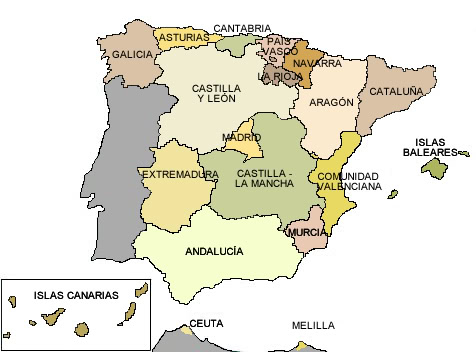
Note: If you move to a different region in Spain, you must re-apply to the new authority to continue your cover.
How Does Transition to Permanent Residency Impact the Convenio Especial Spain
Getting permanent residency does not by itself give you access to public healthcare, unlike citizenship. Access still comes through social security contributions, an S1 form, or the Convenio Especial.
Does the Convenio Especial in Spain Help You?
The Convenio Especial is an excellent option for Expats (including US citizens) living in Spain who are not eligible for full public healthcare access through social security contributions. While there are some costs and limitations, the program ensures that foreign residents can access quality healthcare services at a reasonable price during their time in Spain. Understanding your Social Security tax position is helpful here, as this buy-in program is specifically designed for those who do not actively contribute to the Spanish state system. Be sure to check with your local authorities to confirm your region’s exact application requirements and coverage details, as the Convenio Especial requirements and provisions can vary.






I have a friend who never be employed or self Made in spain. Now she is pensionist from Germany she receive her payment from Germany, but don’t in a insurance. The Problem is, she always was insured with his man. In Germany and in Spain. In Spain they had an private insurance all the years. but now it’s very expensive for her and like to pay convento especial.
You know if it’s possible, if you never had worked in Spain or payed for the Seguridad Social?
Greetings
Hi Jessica, thank you for your question! The Convenio Especial is designed for residents in Spain who do not have access to public healthcare through employment or self employment. The key eligibility requirements are that your friend must have been a legal resident in Spain for at least 12 months and registered with her local municipality (empadronamiento) for that same period.
If eligible, the monthly fee for anyone aged 65 and over is approximately €157 per month. Worth noting that prescription medications are not covered so those would need to be paid for separately.
Victoria
How does this work for European nationals who have lived in the US for a long time? I am a German citizen who has lived in the US for the past 30 years. I am looking to move to Spain. It looks like I am not eligible for the Convenio Especial. My spouse is a US citizen. What options do we have? Only private? Thank you.
Does the Convenio Especial meet the requirements for residency visa renewal (non-lucrative). Our one year visa renewal is coming up and DKV – the only company that would insure us for our original visa application- has raised our rate from 8,000 to 10,000 euros a year for the two of us. One of us is 78 and the other 83. We didn’t even use the insurance this past year except for standard, annual blood work and Rx renewals. The cost is prohibitive!
Did you get the Convene Especial insurance? if so, have you used it? It seems like a smart way to ensure you are covered when private insurance may find a reason to not OK a service and then not pay a claim.
Yes after year 1 BUT the process can take 3 months, and cannot be started until year 1 is over! Effectively you need to go private for 2 years, timing your application to be accepted by end of year 2
Hello, I believe you are incorrect about it being limited to non-EU citizens. EU citizens who are inelligible and not enrolled in their home country’s system are also elligible for the Convenio Especial. Additionally, the waiting period for EU citizens is only 3 months in Andalucia, according to their web site:
Requirements
Proof of effective residence in Spain for a continuous period of at least one year immediately prior to the date of the application for the special agreement. The residence requirement will be deemed met when periods of residence in the territory of other Member States of the European Union, the European Economic Area, Switzerland, or the United Kingdom are proven.
For EU citizens and their family members, a residence of more than three months is sufficient to enroll in the public health system.
Be registered , at the time of submitting the application for subscription to the special agreement, in a municipality belonging to the territorial scope of the Autonomous Community of Andalusia .
Lack of access to a public health care system for any other reason, whether through national regulations, EU regulations on social security, or bilateral agreements signed by Spain with other countries on this matter.
Thank you Michael – you are quite correct and we’ve updated parts of the article for more clarity. We appreciate you bringing this to our attention so we can improve the quality of our content. All the best, Alastair
Hello we are Spanish residents and have been with dkv since arriving in Spain from the UK nearly 5 years ago.
We are in the process of obtaining permanent 10 year residency as the 5 year temporary residency expires soon. We are thinking of switching over to the convenio especial.
I have read that permanent residency would entitle us to receive Spanish healthcare free if charge without needing to pay into the convenio especial, could anyone please advise us if this is correct. Many thanks
Hi David. Sorry – just getting PR doesn’t give you access to public healthcare (unlike citizenship). All the best, Alastair
Do children under 18 also need to pay €60 per month?
HI Barbara – in most cases, you will still pay for each dependent child on the Convenio (so private cover may make more sense.) Cheers, Alastair
My one year here on an NLV (is coming up). So in a few weeks I will be eligible to apply. My question is, do we have to wait to recive our new TIE (Tarjeta de Identidad) before applying. I applied for it at the 60-day mark and it’s ‘en tramite’ but I won’t have my updated TIE by the time I’d like to apply. Thank you. Karen, Cuenca, Spain.
Hi Karen – each region has its own process so the best approach is to head to your local health centre (or AC community Health Department website) and find out the local requirements and process. You have applied for the TIE and so my guess is that there will be a way for you to sign up to the Convenio in Cuenca but you may need to ask some questions! Cheers, Alastair